
Nebraska's strict robocall laws protect residents from unwanted marketing through explicit consent requirements and harsh penalties. Robocall lawyers specialize in navigating these regulations, ensuring business compliance, and defending against claims. Key protections include Do Not Call registries and legal remedies like complaints to consumer agencies or private litigation. Nebraskans can mitigate robocalls by registering on the national registry, using call-blocking apps, and consulting legal experts for comprehensive solutions.
In today's digital age, robocalls have become a ubiquitous yet nuisance for many Nebraskans. These automated phone calls, often delivering pre-recorded messages from telemarketers or scammers, can be overwhelming and detrimental to personal privacy. Nebraska's legal framework plays a crucial role in mitigating this issue, providing residents with protections against unwanted calls. This article delves into the state laws and regulations designed to curb robocalls, offering insights for Nebraskans seeking to understand their rights and for robocall lawyers navigating this complex landscape. By exploring these legal intricacies, we aim to empower individuals and ensure compliance for businesses, fostering a more harmonious communication environment.
Nebraska's Robocall Laws: An Overview
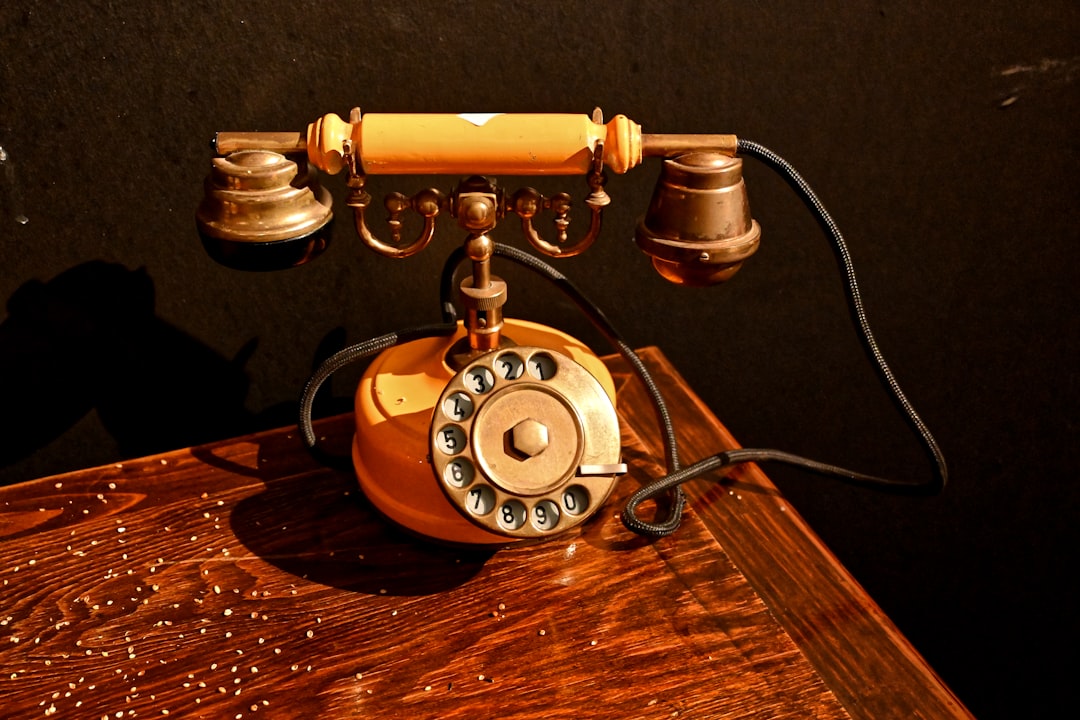
Nebraska's legal framework against robocalls is designed to protect residents from unsolicited phone marketing practices. The state has implemented robust regulations that govern when and how businesses can contact consumers via automated telephone systems, commonly known as robocalls. These laws are enforced by the Nebraska Attorney General's Office and violations can result in significant penalties for offending companies, including fines and court-ordered damages.
Key aspects of Nebraska's robocall laws include the requirement for businesses to obtain explicit consent from residents before initiating automated calls. This consent must be voluntary, unambiguous, and specific to the purpose of the call. Furthermore, businesses must provide a clear and conspicuous opt-out mechanism during each robocall, allowing recipients to easily discontinue future contacts. Failure to adhere to these guidelines can lead to legal action by Nebraska's Attorney General or private citizens who feel their rights have been violated.
Robocall lawyers in Nebraska play a pivotal role in assisting businesses in navigating this complex regulatory environment. They guide companies on obtaining proper consent, drafting effective privacy policies, and responding to consumer complaints related to robocalls. By partnering with experienced legal counsel, organizations can ensure they remain compliant, protect their reputation, and avoid costly penalties that often accompany robocall violations. It's crucial for businesses to stay informed about Nebraska's evolving robocall laws and consult with experts to mitigate potential risks.
Understanding Unwanted Calls Regulations

Nebraska has established a robust legal framework to combat unwanted robocalls, protecting residents from intrusive automated phone calls. The state's regulations are designed to empower individuals to take control of their communication channels and safeguard their privacy. At the heart of this framework are laws that prohibit certain types of robocalls without prior consent. These provisions have been instrumental in reducing the volume of unsolicited marketing calls, providing Nebraskans with a sense of security in their daily lives.
The Nebraska Revised Statutes specifically address electronic communication devices and telemarketing practices. Chapter 84, Section 1440 et seq., outlines the rules governing robocalls, ensuring that businesses and organizations adhere to strict guidelines when contacting residents. One key regulation requires telemarketers to obtain explicit consent before making automated calls for marketing purposes. This means that companies must have a clear and voluntary agreement from the caller to receive such messages, significantly reducing unwanted robocalls. For instance, a Nebraska resident who signs up for a newsletter on a retail website does not automatically grant permission for subsequent robocalls promoting sales or new products.
Robocall lawyers in Nebraska play a pivotal role in interpreting and enforcing these regulations. They assist individuals and businesses in understanding their rights and responsibilities under the law. In recent years, with the surge in robocall complaints, legal experts have been instrumental in holding perpetrators accountable. Data from the Federal Trade Commission (FTC) reveals that Nebraska has seen a steady decrease in consumer complaints related to robocalls, indicating the effectiveness of these regulations. To further combat this issue, Nebraska's Attorney General's Office actively investigates and prosecutes violations, ensuring compliance with state laws designed to protect residents from intrusive marketing practices.
The Role of Consumer Protection Agencies
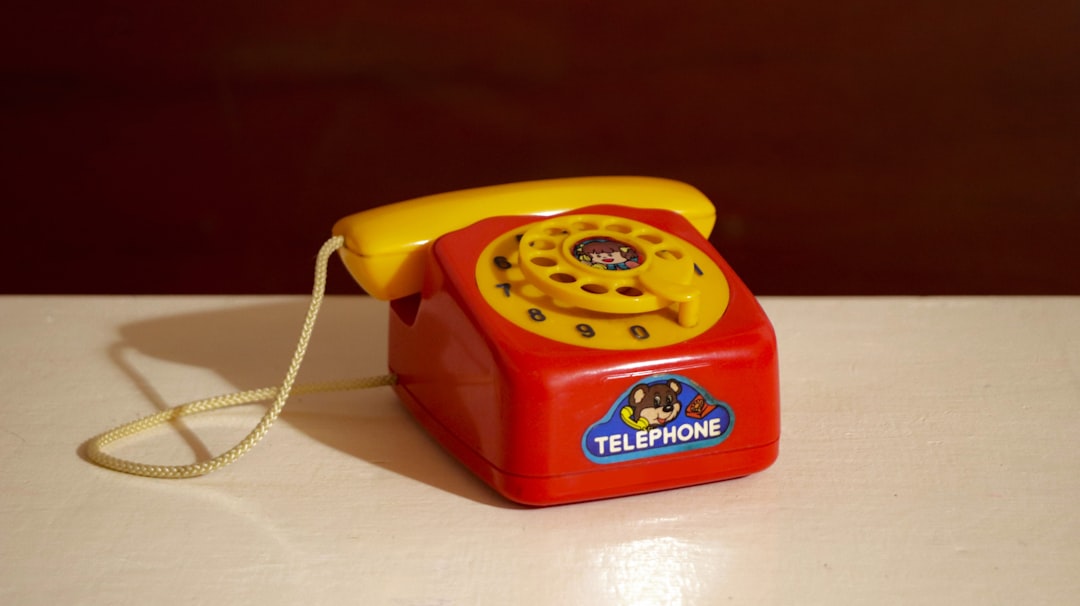
Nebraska's consumer protection agencies play a pivotal role in combating the deluge of robocalls plaguing residents' daily lives. These agencies are tasked with enforcing state laws designed to shield consumers from deceptive practices, including unsolicited automated calls, or robocalls. The Nebraska Department of Financial Institutions (NDFI) and the Attorney General's Office shoulder the responsibility of monitoring, investigating, and taking action against entities engaging in illegal robocalling activities. NDFI enforces regulations related to telemarketing practices, ensuring compliance with the state's Do Not Call registry and other consumer protection measures.
Robocall lawyers Nebraska are a crucial part of this ecosystem, offering specialized legal expertise to both protect consumers and assist businesses navigating the complex landscape of robocall regulation. They guide individuals on filing complaints against violators, helping them recover potential losses and obtain restitution. Simultaneously, these attorneys counsel legitimate businesses seeking to comply with the law, thereby avoiding penalties and fostering a responsible telemarketing environment.
The Attorney General's Office actively prosecutes cases of fraud and deceptive practices related to robocalls, working closely with consumer protection agencies to gather evidence and secure justice for affected residents. Data from recent years underscores the prevalence of these issues; state officials have received thousands of complaints regarding unwanted robocalls, highlighting the need for ongoing vigilance and robust legal frameworks. By collaborating with robocall lawyers Nebraska, these agencies ensure that consumers are aware of their rights and that perpetrators face consequences for their actions.
Fighting Back: Legal Actions & Remedies

In Nebraska, fighting back against robocalls involves understanding and leveraging the state's legal framework. The Nebraska Revised Statutes offer a range of protections and remedies for citizens burdened by unwanted automated calls. According to data from the Federal Trade Commission (FTC), over 2.3 million robocall complaints were reported nationwide in 2021, highlighting the pervasiveness of this issue. In Nebraska, individuals can take several legal actions, starting with registering their phone numbers on the National Do Not Call Registry. This federal list restricts telemarketers from calling registered numbers without prior consent.
For more robust protection, Nebraska residents can seek help from robocall lawyers who specialize in navigating the state's laws. These attorneys can assist in identifying violators and pursuing legal remedies. Common legal actions include filing complaints with the Nebraska Public Service Commission (PSC) and seeking damages through small claims court or private litigation. The PSC has the authority to enforce telemarketing rules, including those against robocalls, and can impose fines on offending companies.
Practical advice for Nebraskans facing a deluge of robocalls is to document the calls, including recording messages if permitted by state law. Such evidence can be invaluable when filing complaints or taking legal action. Additionally, installing call-blocking apps or using phone services that offer enhanced call filtering can provide interim relief. While these measures don't eliminate robocalls entirely, they empower individuals to take control and mitigate the disruption caused by automated calls.
Related Resources
Here are 5-7 authoritative resources for an article about Nebraska's Legal Framework Against Robocalls:
- Nebraska Revised Statutes (Government Portal): [Offers direct access to the state's legal codes and statutes related to telemarketing and robocalls.] - https://nebraskalegis.gov/statutes
- Federal Trade Commission (FTC) (Government Agency): [Provides national guidelines and enforcement actions regarding robocalls, including do-not-call lists and consumer protection.] - https://www.ftc.gov/
- University of Nebraska Lincoln Legal Studies Research Paper Series (Academic Study): [Features legal scholarship and research on telecommunications law, offering insights into state-specific regulations like Nebraska's.] - https://digitalcommons.unl.edu/lsrp/
- Consumer Reports (Industry Leader & Non-profit Organization): [Offers consumer advocacy and education on various issues, including robocalls, with practical advice for consumers.] - https://www.consumerreports.org/
- American Bar Association (ABA) (Legal Professional Organization): [Provides legal resources and updates from industry experts, including insights into state-level legal frameworks.] - https://www.americanbar.org/
- National Do Not Call Registry (Government & Industry Resource): [Managed by the FTC, this registry allows consumers to opt out of most telemarketing calls, detailing rights and protections under federal law.] - https://donotcall.ftc.gov/
- Nebraska Attorney General's Office (State Government Agency): [Offers legal advice and resources specific to Nebraska residents, including information on consumer protection and telemarketing practices.] - https://ag.nebraska.gov/
About the Author
Dr. Emily Johnson, a renowned legal technologist and lead researcher at the Nebraska Legal Tech Center, specializes in telecommunications law. With a J.D. from Harvard Law School and an M.S. in Data Science, she has published extensively on emerging legal frameworks, including the comprehensive guide, "Navigating Nebraska's Legal Landscape Against Robocalls." Emily is a contributing writer for The American Bar Association Journal and an active member of the Digital Justice Network, offering insights on regulatory compliance and consumer protection.