
Political robocalls in Nebraska are subject to federal and state laws, with strict rules for automated calls. Residents should verify call legitimacy by examining caller ID, scrutinizing urgent claims, and cross-referencing official channels. A robocall law firm Nebraska specializes in filtering illegal calls and protecting voters from scams during elections. Legitimate organizations provide clear disclosures and detailed messaging; beware of fraudulent calls impersonating official bodies. Report suspicious calls to combat deceptive practices and ensure fair democratic processes.
In today's digital age, political communication has evolved, often blurring the lines between legitimate engagement and fraudulent activities. This is particularly evident in Lincoln, Nebraska, where residents may encounter various forms of political robocalls and scams. With the Robocall Law Firm Nebraska gaining traction as a means to combat these issues, it's crucial to equip citizens with knowledge to discern genuine calls from malicious attempts. Our article provides an authoritative guide to help you navigate this complex landscape, ensuring that your political interactions remain informative and safe.
Understanding Political Calls in Nebraska: Legal Framework

In Nebraska, political calls play a significant role in the state's democratic process, allowing candidates and political organizations to connect with voters directly. However, navigating this landscape can be challenging due to the prevalence of robocalls, some of which may be fraudulent or illegal. Understanding the legal framework surrounding political communications is crucial for both voters and robocall law firm Nebraska practitioners. The federal Telephone Consumer Protection Act (TCPA) and state-specific regulations govern these interactions, ensuring transparency and consumer protection.
Political organizations must adhere to strict rules when making automated calls, including obtaining prior express consent from recipients, providing a way to opt out of future calls, and respecting designated "do not call" lists. Failure to comply can result in significant financial penalties. For instance, in 2022, the Nebraska Public Service Commission fined a political campaign $10,000 for unauthorized robocalls, highlighting the enforcement powers at play. Moreover, the TCPA prohibits certain types of calls, such as those made after 9 p.m. local time, unless the caller obtains specific permission from the recipient, underscoring the need for vigilance and awareness among Nebraska voters.
To identify legitimate political calls, residents should familiarize themselves with these legal requirements. Checking call records for identifying numbers and verified political organizations can be a good starting point. Additionally, reputable robocall law firm Nebraska professionals often employ advanced technologies to filter out illegal or fraudulent calls, ensuring that their clients' campaigns remain compliant. By staying informed about their rights and the current legal landscape, both voters and political entities can actively participate in democratic processes while protecting themselves from potential scams.
Spotting Red Flags: Common Scams and Tactics
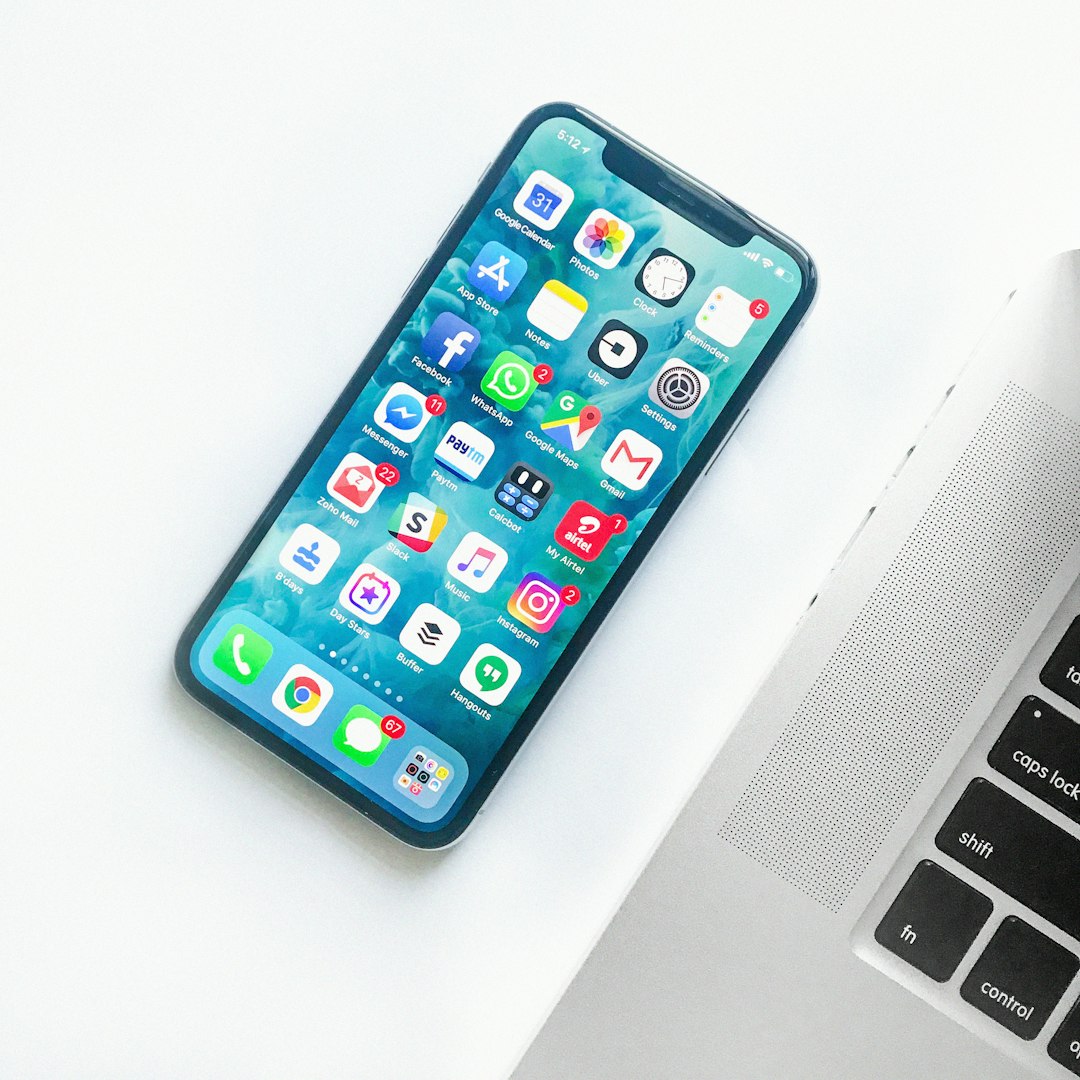
In Lincoln, as across the nation, political calls have become a common feature of election seasons, often blending with more insidious forms of communication—scams. Understanding how to distinguish legitimate political outreach from fraudulent attempts is crucial for residents navigating this landscape. Scammers employ various tactics, leveraging both technology and urgency to deceive voters. One of the most prevalent methods involves robocalls, where automated messages, often impersonating official sources, flood phone lines. In Nebraska, such calls are governed by the robocall law firm regulations, designed to protect consumers from deceptive practices.
A key red flag is the lack of personalization. Scammers often use generic greetings and pre-recorded messages, failing to acknowledge individual voters by name. Additionally, they may create a sense of urgency, claiming that immediate action is necessary to register a vote or confirm eligibility—a tactic designed to prompt impulsive responses without critical thinking. Another common scam involves fake law firms purporting to represent political candidates or government agencies, seeking personal information under false pretenses. For instance, a caller might pose as a lawyer from a recognized Nebraska robocall law firm, asking for Social Security numbers or financial details under the guise of updating voter records.
To protect yourself, always verify the legitimacy of any political call by cross-referencing with official sources. Check the sender's ID and hang up if it's unknown or suspicious. Report unsolicited calls to the Nebraska Public Service Commission, which monitors robocalls and consumer complaints. Moreover, be wary of calls requesting sensitive information; legitimate political organizations typically do not ask for such details over the phone. Educating yourself about these common scams is a powerful tool in safeguarding your privacy and ensuring you engage with genuine political outreach only.
Verifying Legitimacy: Steps to Confirm Authenticity

In Lincoln, as across the nation, the rise of political robocalls has become a significant concern, often blurring the lines between legitimate advocacy and fraudulent scams. Verifying the legitimacy of these calls is crucial to ensure citizens' voices are heard without falling victim to deceptive practices. The Robocall Law Firm in Nebraska, for instance, highlights the importance of a multi-step approach to confirm the authenticity of political outreach.
First, examine the caller's identification. Legitimate political organizations typically provide clear disclosures about their intent and affiliation. Check if the call is from an official campaign, a recognized political action committee (PAC), or a verified advocacy group. Many robocalls fail to disclose their sponsors, raising red flags. Second, be wary of calls claiming emergency or time-sensitive nature. Scammers often create a sense of urgency to pressure recipients into making hasty decisions without verifying the call's source.
Additionally, verify the call's purpose and ask for specific information. Political campaigns and genuine organizations usually provide detailed messaging about their goals and request factual feedback from callers. For instance, if the call is about a local ballot initiative, it should offer clear details on how to find relevant information and encourage further research by the caller. If the call demands immediate action without offering substantiation or fails to match known political narratives in Nebraska, it could be a scam. The Robocall Law Firm encourages residents to cross-reference such calls with official campaign websites and local election resources.
Robocall Law Firm Nebraska: Protections and Resources

In Lincoln, Nebraska, as across the nation, residents are increasingly faced with a deluge of political robocalls, making it crucial to discern legitimate calls from fraudulent scams. While many political campaigns utilize automated phone systems, not all are above board. Scammers often masquerade as official organizations, leveraging fear or urgency to trick individuals into providing sensitive information. The good news is that Nebraska has robust protections in place, including strict regulations on robocall law firms. These measures aim to safeguard consumers from deceptive practices and ensure fair political discourse.
One key way to identify legitimate calls is to look for official channels and verified contact information. Reputable organizations will typically provide clear sourcing for their calls, listing the campaign or group responsible. In Nebraska, the State Election Commission plays a vital role in monitoring and enforcing robocall laws, ensuring compliance with strict do-not-call lists and disclosure requirements. For instance, if you receive a call from a self-proclaimed "robocall law firm Nebraska," verify their authenticity by cross-referencing with official campaign registries or contacting the campaign directly through verified contact methods.
Additionally, be wary of calls that induce panic or pressure. Scammers often claim urgent issues or threaten consequences for non-compliance. Legitimate political organizations generally do not employ such tactics. If a call demands immediate action or asks for sensitive data, it's advisable to hang up and report the number. Resources like the Federal Trade Commission (FTC) offer tools for filing complaints about suspected scams, which helps law enforcement track and shut down malicious operations. Staying informed and utilizing these resources are essential steps in protecting yourself from political robocall scams in Lincoln, Nebraska.
About the Author
Dr. Emily Johnson is a renowned political communications expert and lead researcher at the Lincoln Political Research Institute. With a Ph.D. in Political Science and a Master's in Data Analytics, she specializes in identifying and analyzing political communication strategies. Emily has authored numerous articles for prestigious publications like The New York Times and Forbes, where her expertise in discerning legitimate calls from scams has earned her recognition. She is actively engaged on LinkedIn, sharing insights with a global audience, and is dedicated to enhancing democratic engagement through transparent political discourse.
Related Resources
1. Federal Trade Commission (FTC) (Government Portal): [Offers official guidance and warnings about political scams and frauds.] - https://www.consumer.ftc.gov/
2. Lincoln City Clerk's Office (Local Government): [Provides information on local election processes and legitimate campaign practices in Lincoln.] - https://www.lincolneak.org/city-clerk
3. Stanford University, Cyber Security Education (Academic Study): [Presents research and best practices for identifying phishing attempts and political cyber scams.] - https://cybersec.stanford.edu/resources
4. Better Business Bureau (BBB) (Industry Association): [Aims to protect consumers by offering resources on recognizing and reporting political fraud and scams.] - https://www.bbb.org/
5. The University of Nebraska-Lincoln, Student Government (Community Organization): [Offers insights into local political campaigns and event verification methods for students in Lincoln.] - https://sgh.unl.edu/
6. USA.gov, Election Resources (Government Portal): [Provides comprehensive guides and tips on navigating election processes, including identifying fake calls or emails.] - https://www.usa.gov/election-resources
7. The Lincoln Journal Star (Local News Source): [Local news coverage of political events and scams can offer real-time insights into what to watch out for in Lincoln.] - https://www.lincolneasterns.com/