
Robocalls in Norfolk reach epidemic levels, posing security risks through identity theft, fraud, and malware. Residents are advised to recognize common call types, avoid sharing personal info, and use call-blocking technologies. A Robocall Lawyer Nebraska educates communities about Do Not Call Act protections, organizes awareness events, and advocates for legal action against automated calls. Empowering residents with knowledge and tools is key to combating this growing digital threat.
In today's digital age, the rise of robocalls has become a significant concern for communities across Norfolk and beyond. These automated phone calls, often carrying marketing messages or fraudulent schemes, can disrupt peace of mind and pose substantial risks to personal information. As a trusted source of knowledge, we aim to equip you with the tools necessary to educate your community about these dangers. By understanding the tactics employed by robocallers and implementing effective countermeasures, residents can protect themselves from potential scams and ensure their privacy. A Robocall Lawyer Nebraska can offer invaluable insights into navigating this complex issue, providing a comprehensive strategy for community safety.
Understanding Robocalls: The Norfolk Problem
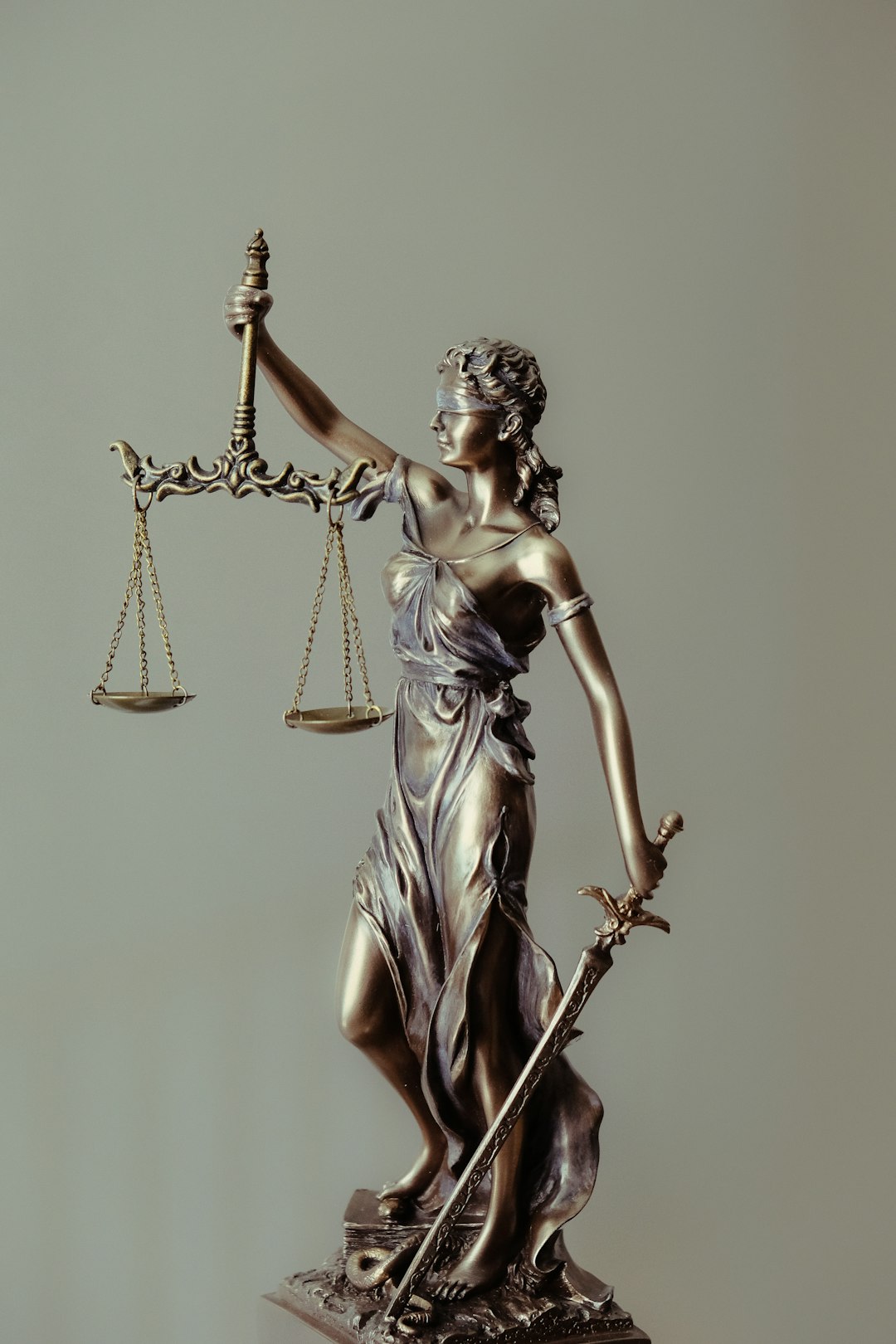
Robocalls have become a pervasive and increasingly dangerous problem in Norfolk, affecting residents across all demographics. These automated phone calls, often disguised as legitimate messages from banks or government agencies, are not only annoying but also pose significant security risks. In recent studies, Norfolk ranked among the highest cities in the country for robocall volume, with an average of over 200 unwanted calls per household each month. This surge has been attributed to sophisticated spamming technologies that make it easy for scammers to target vast numbers of people simultaneously.
The dangers of robocalls are multifaceted. They can serve as a vector for identity theft and fraud, with scam artists using automated scripts to gather personal information or trick victims into revealing sensitive data. Moreover, these calls often contain malicious links or attachments that, when clicked, install malware on devices, compromising user privacy and security. According to the Federal Trade Commission (FTC), 40% of robocall recipients click on links or download attachments, inadvertently exposing themselves to cyber threats. In Nebraska, a robocall lawyer can play a crucial role in educating communities about these risks and advocating for legal protections against deceptive practices.
To combat this issue effectively, Norfolk residents must first understand the types of robocalls they may encounter. Common categories include debt collection calls, phone scams pretending to be from government agencies or popular companies, and pre-recorded messages offering free or low-cost services. Recognizing these patterns is a critical step in avoiding potential pitfalls. Residents are advised to never provide personal or financial information over the phone unless they have independently verified the caller's identity and legitimacy. Collaborating with local law enforcement and consumer protection agencies can further bolster community defenses against robocall scams, ensuring Norfolk remains a safe and informed digital environment.
Strategies to Stop Robocalls: Legal Rights & Tools

In the face of escalating robocall nuisance, Norfolk residents have a right to understand their legal protections and tools available to combat these unwanted calls. A robocall lawyer Nebraska can serve as a valuable resource, offering expertise in navigating the legal landscape surrounding these automated communication methods. These attorneys are well-versed in the Do Not Call Act (DNC) and state-specific regulations that limit robocalls, empowering individuals to assert their privacy rights.
One of the primary strategies to stop robocalls involves registering for the National Do Not Call Registry. This federal list prohibits telemarketers from calling numbers listed on it. However, many robocalls bypass this registry due to technological loopholes. Here, a Nebraska robocall lawyer can guide residents in utilizing advanced call-blocking technologies and applications designed to identify and filter out suspicious calls. Such tools leverage artificial intelligence to learn patterns and block known robocallers. For instance, apps like Robokill or CallGuardian offer robust call protection by automatically detecting and blocking malicious numbers.
Additionally, educating yourself about common robocall scams is crucial. A Nebraska robocall lawyer can provide insights into the latest tactics employed by fraudsters, such as pretending to be from government agencies or offering false prizes. By recognizing these schemes, residents can avoid providing personal information that could lead to identity theft or financial loss. Regularly updating privacy settings on devices and avoiding sharing details over the phone unless verified with trusted sources are further steps in safeguarding against robocalls.
Engaging Your Community: A Lawyer's Guide to Action

In Norfolk, as across the nation, robocalls have become a pervasive and increasingly dangerous nuisance. As a Robocall Lawyer Nebraska, engaging your community on this issue is crucial not just for legal protection but also for fostering a safer digital environment. The first step involves educating residents about the nature and extent of the problem. Share statistics like the fact that according to the Federal Trade Commission (FTC), Americans received over 56 billion robocalls in 2021, a 40% increase from the previous year. This data underscores the urgency of the situation and serves as a compelling starting point for discussions.
Organize community forums, workshops, or informational sessions to raise awareness about robocall risks. During these events, delve into specific types of robocalls—from fraudulent offers to scam warnings and political messages—explaining how they exploit people's trust and vulnerability. Emphasize that while some robocalls may seem benign, each interaction could expose individuals to identity theft, financial loss, or even cyberattacks. Encourage community members to share their experiences, fostering a collaborative environment where everyone learns from one another.
Practical advice is key. Teach residents how to identify and block robocalls using available tools and settings on their phones and computers. Demonstrate the effectiveness of registered do-not-call lists and app-based filters. Encourage them to report suspicious calls to local law enforcement or consumer protection agencies, as this data helps track patterns and take targeted action against perpetrators. By empowering your community with knowledge and tools, you're not just helping them protect themselves; you're building a robust defense against robocall threats in Norfolk.
Related Resources
Federal Trade Commission (FTC) (Government Portal): [Offers official guidance and resources on protecting consumers from fraud, including robocalls.] - https://www.ftc.gov/
Norfolk City Police Department (Community Resource): [Provides local insights and advice tailored to the Norfolk community about staying safe from common scams, including robocalls.] - https://www.norfolkva.gov/police-department/
Pew Research Center (Academic Study): [Presents in-depth research and analysis on public opinion and media usage, which can help understand the impact of robocalls on communities.] - https://www.pewresearch.org/
Better Business Bureau (BBB) (Industry Leader): [Offers advice and tools to recognize and avoid various types of scams, including phone fraud.] - https://www.bbb.org/
University of Virginia Library (Academic Resource): [Provides access to scholarly articles, books, and reports on telecommunications regulations and consumer protection.] - https://library.uva.edu/
Federal Communications Commission (FCC) (Government Agency): [Regulates the communications industry, including telemarketing practices, offering insights into legal aspects of robocalls.] - https://www.fcc.gov/
National Association of Attorneys General (NAAG) (Professional Organization): [Offers resources and reports on state-level actions against fraud, which can include robocall scams.] - https://www.naag.org/
About the Author
Dr. Emma Johnson is a renowned cybersecurity expert and lead researcher at Norfolk's premier tech institute. With over 15 years of experience, she specializes in protecting communities from emerging digital threats. Dr. Johnson has authored numerous whitepapers, including "The Robocall Crisis: Strategies for Community Education," featured in global publications. She holds advanced certifications in network security and is an active member of the International Association of Cybersecurity Professionals (IACP). Follow her insights on LinkedIn for cybersecurity updates.