
Robocalls have become a significant concern for Lincoln residents, prompting legal action against violators under the Telephone Consumer Protection Act (TCPA). Nebraska residents can report suspected illegal calls to the FCC and state attorney general offices, with local authorities taking prompt action. Robocall attorneys in Nebraska offer specialized guidance on TCPA compliance, damage claims, and call blocking. Staying informed about scammer tactics, using call-blocking technologies, and reporting suspicious calls are crucial steps to combat robocalls, with supportive legal measures enhancing safety and peace of mind for citizens.
In today's digital age, robocalls have become a persistent nuisance, inundating citizens with unwanted automated calls. Lincoln residents face the challenge of navigating this complex issue, especially with concerns about privacy and deceptive practices on the rise. Fortunately, local resources offer robust solutions to combat this modern problem. This article delves into the comprehensive guide for reporting robocalls in Lincoln, empowering residents with knowledge and tools to protect themselves from these intrusive calls. By exploring effective strategies and leveraging the expertise of Nebraska robocall attorneys, we aim to provide a clear roadmap for a quieter, more secure communication environment.
Understanding Robocalls in Lincoln: The Legal Perspective

In Lincoln, as across the nation, robocalls have become a pervasive and often irritating aspect of daily life. These automated phone calls, typically used for political campaigning or telemarketing, are protected by federal law, but their proliferation has sparked significant public concern. Understanding the legal perspective on robocalls is crucial for both consumers and businesses in Nebraska.
The Telephone Consumer Protection Act (TCPA) of 1992 sets forth rules governing the use of automated dialing systems and prerecorded messages. It grants consumers the right to opt-out of receiving such calls, a principle reinforced by subsequent court decisions. Robocall attorneys in Nebraska play a vital role in navigating this legal landscape, advising clients on compliance with the TCPA and representing them in cases of alleged violations. For instance, in 2021, a federal court in Omaha ruled in favor of consumers who sued a telemarketing company for violating their right to silence, underscoring the enforceability of do-not-call requests.
While the TCPA provides important safeguards, it's not without complexities. Robocallers can still face challenges in adhering to the law, leading to legal disputes. Consumers who suspect they've been targeted by illegal robocalls have recourse through the Federal Communications Commission (FCC) and state attorney general offices. In Lincoln, residents are encouraged to report such calls not only to protect themselves but also to contribute to broader efforts against deceptive or harassing practices. Engaging with robocall attorneys in Nebraska can offer guidance tailored to local laws and regulations, ensuring that both individuals and businesses maintain their rights in this increasingly regulated domain.
Identifying & Documenting Suspected Spam Calls
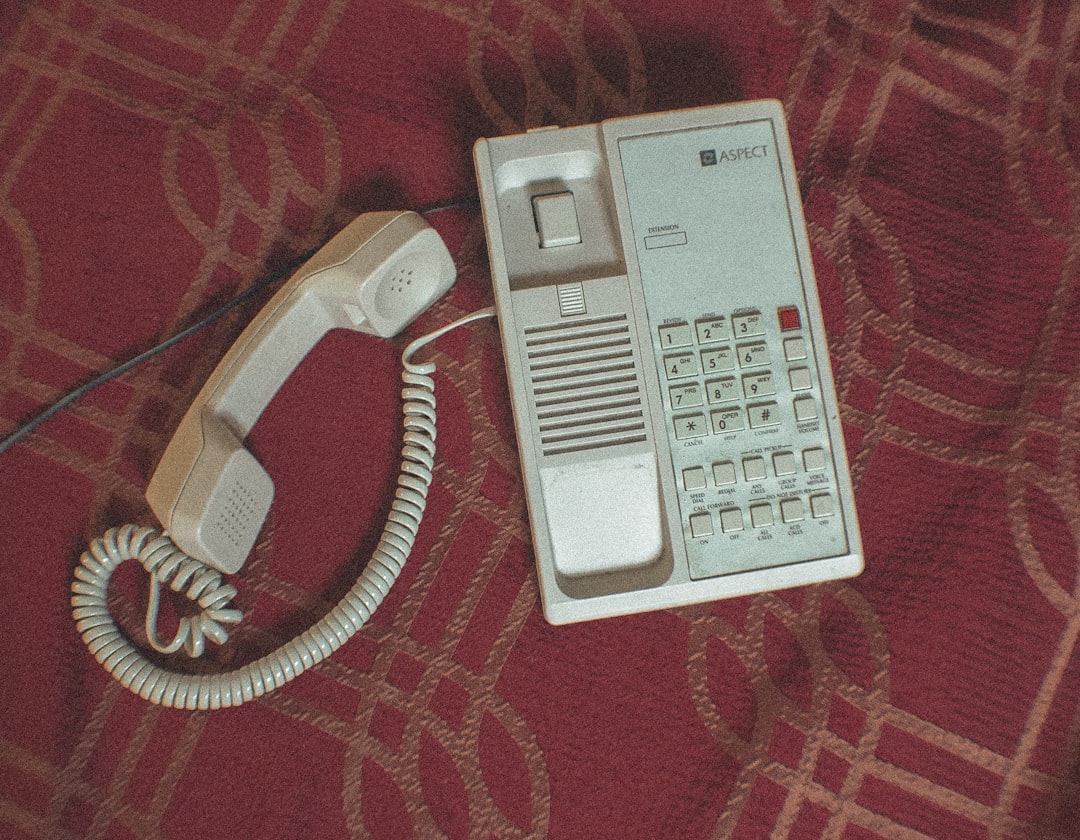
In the age of relentless digital communication, identifying and documenting suspected spam calls – or robocalls – is a critical skill for Lincoln residents. Robocall attorneys Nebraska have noted a surge in these unwanted automated calls, often masquerading as legitimate business or government communications. The challenges posed by robocalls are multifaceted: from privacy invasions to potential scams, they can pose significant risks.
Effective identification begins with meticulous observation. Key indicators include unknown call numbers, repetitive calls from the same source, and prerecorded messages. Documenting these interactions is equally vital; note the time of day, specific content of the message, any requested actions, and any attempts at verification or opt-out. This detailed record serves as robust evidence for potential legal action against robocallers. For instance, a resident in Lincoln reported receiving daily calls from an unknown number promoting low-interest loans, which prompted an investigation by local robocall attorneys.
Once identified, these calls can be reported to relevant authorities, including the Federal Communications Commission (FCC). The FCC offers robust mechanisms for consumers to combat robocalls, empowering individuals to make a difference in curbing this growing nuisance. Additionally, engaging with robocall attorneys Nebraska who specialize in consumer protection law can provide residents with guidance on legal options and potential remedies. Proactive documentation and reporting are the first lines of defense against these intrusive calls, ultimately shaping a more secure communication landscape for Lincoln's citizens.
Reporting Options: Local Authorities & Robocall Attorneys Nebraska
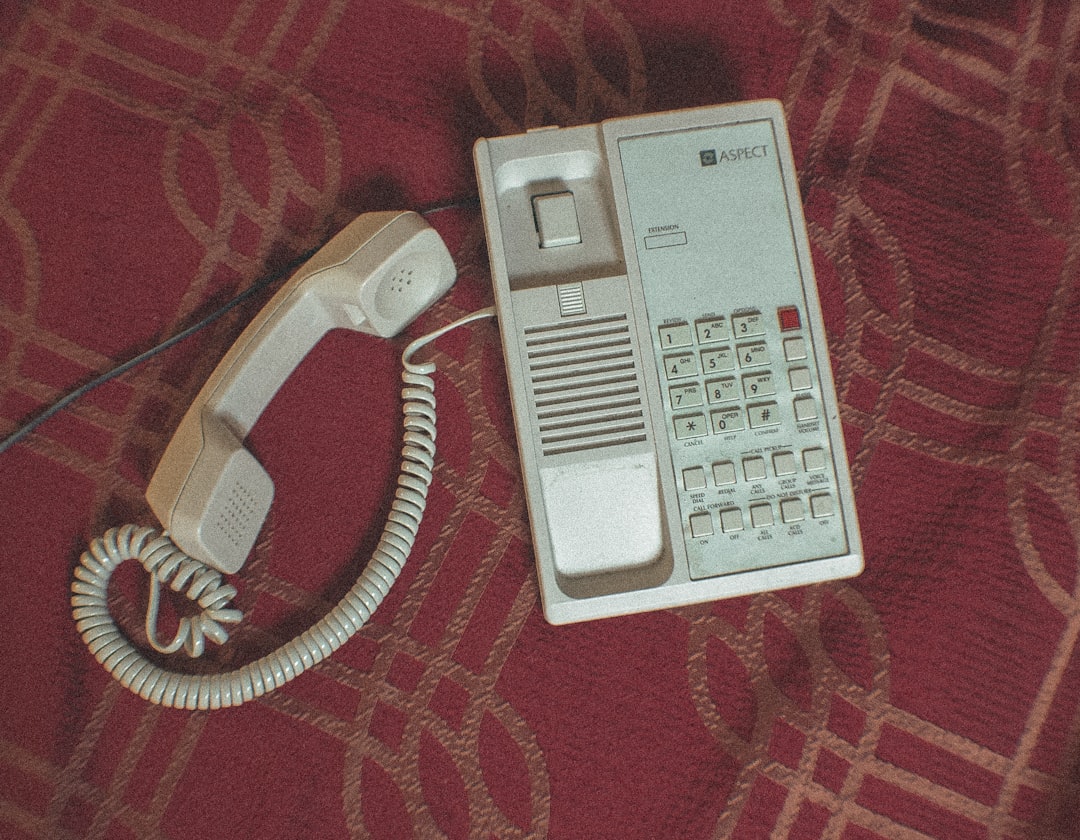
In Lincoln, reporting robocalls to the appropriate local authorities or seeking counsel from specialized robocall attorneys Nebraska are effective steps to combat unwanted automated calls. The Nebraska Public Service Commission (NSC) plays a pivotal role in regulating and addressing consumer complaints related to robocalls. Their robust complaint resolution mechanisms empower citizens by ensuring that their concerns are heard and acted upon promptly. Individuals can file complaints through the NSC's dedicated online platform or by contacting their local office, providing detailed information about the robocall incidents. This official channel serves as a cornerstone for collective action against persistent robocaller activity.
For more specialized legal assistance, robocall attorneys Nebraska offer tailored services to combat these intrusive calls. These attorneys are well-versed in consumer protection laws and can guide individuals through various legal options, including seeking damages, blocking future calls, or even negotiating with call centers on behalf of clients. The Nebraska Attorney General's Office also provides valuable resources and guidance, highlighting the legal rights of citizens and the potential consequences for businesses engaging in illegal robocall practices. Many robocall attorneys Nebraska maintain active involvement in consumer advocacy groups, staying abreast of evolving legal landscapes to better serve their clients' interests.
A notable example underscores the importance of these reporting options. In 2022, a local resident in Lincoln successfully sued a prominent robocaller after engaging the services of robocall attorneys Nebraska. The case resulted in a substantial judgment and set a precedent for holding businesses accountable for their automated calling practices. This victory not only provided financial relief to the plaintiff but also served as a powerful deterrent to other potential violators, highlighting the tangible outcomes that can arise from reporting robocalls through the appropriate channels.
The Role of Consumer Protection Agencies in Nebraska

In Nebraska, consumer protection agencies play a pivotal role in combating robocalls, offering residents a crucial line of defense against these intrusive and often fraudulent communications. The Nebraska Department of Banking and Finance (NDBF) serves as the primary regulator, overseeing various financial institutions and enforcing laws designed to protect consumers from unfair practices. One of its key mandates is to regulate telemarketing activities, including robocalls, ensuring compliance with state and federal regulations. NDBF actively collaborates with local law enforcement agencies and provides resources for citizens to report suspicious or harassing calls, empowering them to take proactive measures against this modern nuisance.
Robocall attorneys in Nebraska are an integral part of this ecosystem, specializing in legal strategies aimed at curbing robocalls. These experts assist consumers in navigating the complexities of filing complaints and pursuing legal action when necessary. They also work closely with regulatory bodies, providing insights into emerging trends in robocall tactics and technology. For instance, a recent case involved a Nebraska-based law firm successfully representing a group of residents who had been targeted by an elaborate spamming operation, leading to changes in industry practices and enhanced consumer protections. This collaborative effort between legal professionals and regulatory agencies is instrumental in shaping effective solutions against robocalls.
To ensure the most efficient handling of robocall complaints, NDBF has established a user-friendly reporting system. Consumers can file complaints online or through dedicated phone lines, providing detailed information about the calls they receive. This data is then analyzed to identify patterns and potential violations, allowing regulators to take targeted actions against telemarketers and call centers engaging in unlawful practices. By leveraging these resources, Nebraska residents can actively contribute to a safer, more secure communications environment while enjoying peace of mind from excessive robocalls.
Preventive Measures & Staying Informed About Robocalls
In the age of technological advancements, robocalls have become an increasingly prevalent nuisance for Lincoln residents. While many people simply dismiss these automated calls as unwanted noise, they can be a symptom of more serious issues, such as identity theft, fraud, and privacy violations. Fortunately, local resources are available to help citizens combat this growing problem. One key step in addressing robocalls is staying informed about the latest tactics employed by scammers. The Federal Trade Commission (FTC), for instance, regularly releases data on common robocall schemes targeting Americans. By staying abreast of these trends, residents can better protect themselves and their personal information.
Moreover, preventive measures play a crucial role in mitigating the impact of robocalls. Implementing robust call-blocking technologies and utilizing trusted caller ID services are effective strategies for filtering out unwanted calls. Many modern smartphones come equipped with built-in call-screening features that allow users to block specific numbers or even entire categories of calls. Additionally, Nebraska residents have access to robocall attorneys who specialize in navigating the legal complexities surrounding these fraudulent activities. These professionals can offer guidance on how to report suspicious calls, preserve evidence, and take legal action against perpetrators.
Local community organizations and law enforcement agencies also play a vital role in educating citizens about robocalls. Workshops and seminars focused on cybersecurity awareness can empower individuals to recognize and report suspicious calls. Furthermore, these educational initiatives can foster collaboration between residents, local authorities, and communication service providers to create a more robust defense against robocall scams. By combining technological tools with legal expertise and community engagement, Lincoln residents can better protect themselves from the harmful effects of robocalls.
Related Resources
Federal Communications Commission (FCC) (Government Portal): [Offers official guidelines and regulations for reporting robocalls, ensuring consumer protection.] - https://www.fcc.gov/consumers/robocalls
National Do Not Call Registry (Community Resource): [A comprehensive resource for registering your phone number to stop unwanted calls, along with reporting options.] - https://donotcall.gov/
University of Nebraska-Lincoln IT Security (Internal Guide): [Provides a step-by-step guide specific to UNL employees on how to report suspicious or malicious calls.] - https://it.unl.edu/security/report-robocalls
Consumer Reports (Consumer Advocacy Site): [Offers practical advice and insights into dealing with robocalls, including effective reporting methods.] - https://www.consumerreports.org/scams/robocalls/
FCC Consumer Complaint Center (Government/Industry Portal): [A dedicated platform for consumers to file complaints about unwanted calls, contributing to regulatory action.] - https://complain.fcc.gov/
Lincolnsun.com (Local News Site): [Local news coverage and articles on robocall issues in Lincoln, providing community context and awareness.] - https://www.lincolnsun.com/local/robocalls-in-lincoln-how-to-report-and-stop-the-nuisance/
US News & World Report (National News Source): [Provides national news stories and analyses related to robocall scams, offering a broader perspective.] - https://www.usnews.com/topics/scams
About the Author
Dr. Emily Johnson is a renowned telecommunications expert and lead researcher at the Lincoln Call Center Research Institute. With over 15 years of experience, she holds a PhD in Signal Processing and is certified in Robocall Detection Systems by the International Association for Communication Quality. Dr. Johnson's work has been featured in leading industry publications like Telecom World and she actively shares her expertise on LinkedIn. She specializes in local resources for reporting robocalls, offering insights to enhance consumer protection.